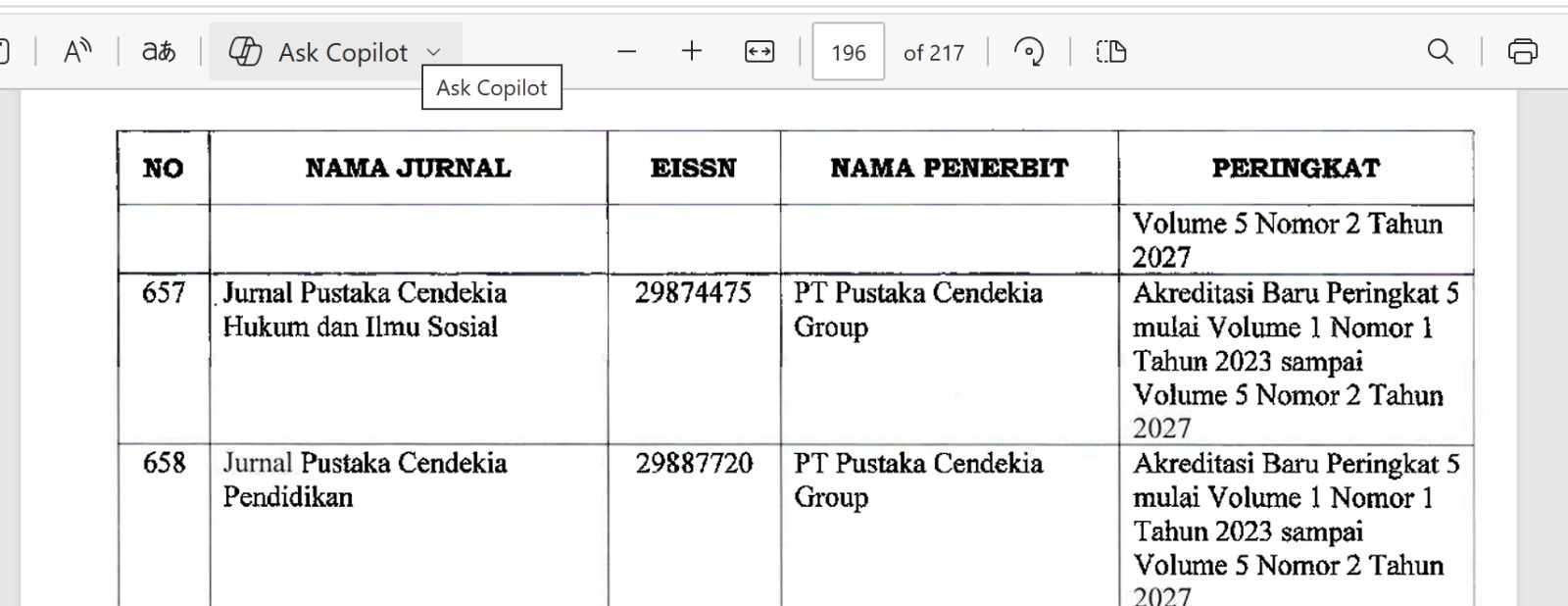
Efektivitas Regulasi dan Pengawasan Pemerintah dalam Mencegah Manipulasi Komposisi Produk Kosmetik : Kajian Hukum dan Kesehatan
DOI:
https://doi.org/10.70292/pchukumsosial.v3i2.133Abstract
The main focus of this study is legal protection for consumers in cases of cosmetic product composition fraud and the legal liability of producers based on Law Number 8 of 1999 concerning Consumer Protection. BPOM Regulation No. 18 of 2024 is the regulatory basis for supervising the labeling, promotion, and advertising of cosmetics in Indonesia. Although routine supervision is carried out, many products are still found to not meet safety and quality standards due to weak consumer literacy and easy access to illegal products online. The White Tomato case is a real case study of product composition manipulation, which then also shows the low ability of consumers to critically assess product claims. The method in this study is the normative juridical method, an approach that focuses on literature studies and analysis of legal reactions and interactions in society. This study aims to examine the application of positive legal provisions based on applicable laws and regulations, without collecting data through field research. In the context of business law, this manipulation can be categorized as a breach of contract in the supply chain, a breach of warranty, or product liability, either through strict liability or due to negligence. Therefore, law enforcement does not only function as a repressive tool, but also as a preventive instrument to encourage legal compliance, consumer protection, and ethical business sustainability.

Downloads
Published
How to Cite
Issue
Section
License
Copyright (c) 2025 Alexsanro Gabe Simbolon, Muhammad Zayyaan Nasco, Masagus Hexal Rizkian, Achmad Muflihuts Tsaqif

This work is licensed under a Creative Commons Attribution-ShareAlike 4.0 International License.